
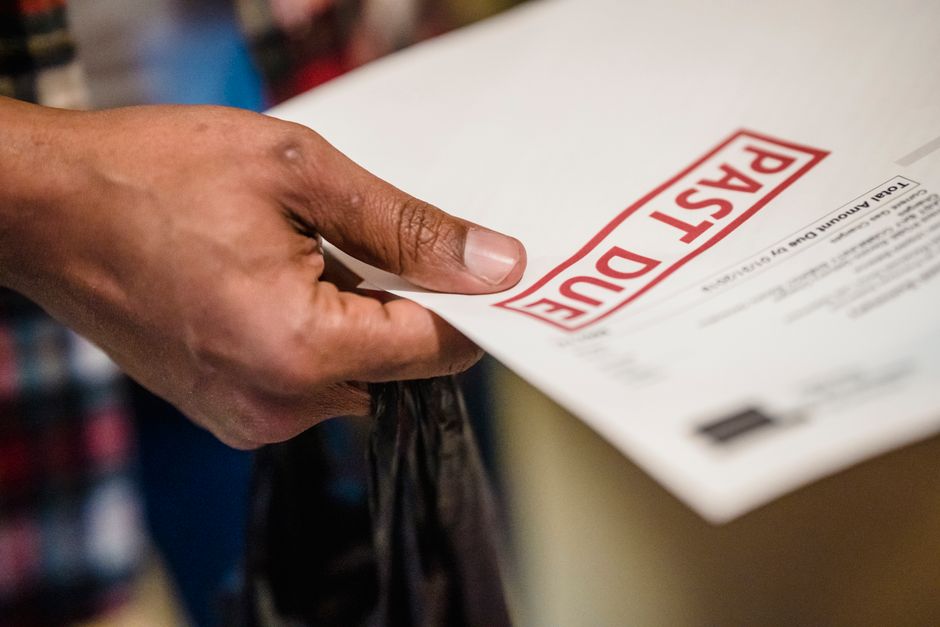
A collection call or letter about an old debt can feel urgent enough to make you want to pay immediately just to make it stop. That instinct is understandable, but it is also the single most expensive mistake people make when a debt collector contacts them. Before you send a single dollar, federal law gives you a specific, time-limited right to make the collector prove the debt is actually yours and for the amount they say it is. That tool is called a debt validation letter, and most consumers never use it.
What a Debt Validation Letter Actually Is
Under the Fair Debt Collection Practices Act (FDCPA), a third-party debt collector must send you a written validation notice within five days of first contacting you about a debt. This notice has to identify the creditor, state the amount owed, and explain that you have the right to dispute the debt. A debt validation letter is the written request you send back, asking the collector to prove the debt is legitimate before you pay anything or even acknowledge it belongs to you.
This is different from a goodwill request or a dispute filed with a credit bureau. A 609 dispute letter challenges inaccurate information already reporting on your credit file through the bureau’s own investigation process. A debt validation letter goes directly to the collector, before you have necessarily agreed the debt is even real, and it happens earlier in the timeline, right after first contact.
The 30-Day Window That Matters Most
You have 30 days from the date of that first written notice to send a validation request. If you request validation within that window, the collector must stop all collection activity, no calls, no letters, no credit reporting updates, until they provide proof. If you miss the 30-day window, the debt is not automatically valid, but the collector is no longer legally required to pause collection while they respond, and you lose a meaningful piece of leverage.
This is why acting fast matters more than almost anything else in this process. The moment you get a collection letter, the clock is already running, whether you open the envelope that day or three weeks later.
What the Collector Has to Prove
A proper validation response generally needs to include the name of the original creditor, the account number or a reference to it, an itemized breakdown of the balance including interest and fees added since the original default, and proof the collector has the legal right to collect the debt, such as a chain of assignment if the debt was sold. What they do not have to produce is a signed original contract in every case, which is a common misconception. Courts have generally accepted an account statement and ownership documentation as sufficient, though this varies somewhat by jurisdiction.
If the collector cannot produce this basic documentation, they are supposed to stop collecting and, in practice, many smaller debt buyers simply drop the account rather than go through the paperwork, especially on older, cheaply purchased debt. This is one of the few places in credit repair where a well-timed letter has a real chance of making a problem disappear rather than just managing it.
Why Debt Buyers Are a Special Case
A large share of collection accounts on credit reports were not created by the original lender. They were sold, often multiple times, to third-party debt buyers for a fraction of the balance. Each sale creates more room for errors: wrong balances, duplicate accounts, debts attached to the wrong person, or debts outside the statute of limitations being pursued as if they were still fully enforceable. Debt buyers rely heavily on the fact that most consumers pay rather than ask questions.
Paying, or sometimes even making a partial payment or agreeing to a payment plan, can restart the clock on the statute of limitations in many states, turning an old, mostly unenforceable debt into one a collector can sue over again. Sending a validation letter before doing anything else protects you from accidentally reviving a debt that was close to aging out.
What Happens to Your Credit Report
A collection account can sit on your credit report for up to seven years from the original delinquency date, separate from the statute of limitations on legal enforcement, which is a different clock entirely and usually shorter. Successfully disputing or validating away a collection account removes it from your report rather than waiting out those seven years. Compare that to the full timeline for how long negative items stay on your report, where a collection that cannot be validated simply never should have been reporting in the first place.
If the debt is legitimate and the collector does validate it properly, you still have options beyond paying the full balance immediately. Settling for less than the full amount, negotiating a payment plan, or in some cases requesting a pay-for-delete arrangement in writing are all reasonable next steps, though major credit bureaus have discouraged pay-for-delete in recent years, so treat it as a possibility to ask about, not a guarantee.
How to Send a Validation Request
Send your request in writing, by certified mail with a return receipt, within the 30-day window. Keep it short: state that you are requesting validation of the debt under the FDCPA, ask for the items listed above, and say nothing that could be read as acknowledging the debt is yours. Do not call the collector to ask for validation verbally. A phone conversation is not evidence later, and anything you say on that call, including simply confirming your own name or address, can be used to argue you acknowledged the debt.
Keep a copy of everything, along with the certified mail receipt and any response you get back. If the collector keeps contacting you after receiving a timely validation request without providing proof, that is itself a separate FDCPA violation you can report to the CFPB or your state attorney general.
Common Mistakes to Avoid
- Waiting too long. The 30-day protection only applies if you act inside that window from the first contact.
- Paying anything before validating. Even a small goodwill payment can be read as acknowledging the debt and reset the statute of limitations clock.
- Assuming an old debt is gone. Debt that is past the statute of limitations can still be reported and, in some states, can still be sued over if you are not careful about reviving it.
- Treating a goodwill letter as the same tool. A goodwill letter asks a creditor to remove an otherwise accurate late payment as a courtesy. Validation is about proving the debt is accurate and owed at all. They solve different problems.
The Bottom Line
A debt validation letter is not a loophole or a delay tactic, it is a right built into federal law specifically because collection accounts are wrong often enough to warrant one. The cost of sending a certified letter is a few dollars and five minutes of your time. The cost of skipping it and paying a debt that was inflated, mis-assigned, or already past its legal shelf life can run into hundreds of dollars and years of needless damage to your credit report. If a collector contacts you about a debt you do not immediately recognize, or even one you do, validate first, pay second.
Leave a Reply